
THREADS OF HERITAGE
"... like the light vapours of dawn,"
Yuan Chwang, a Chinese Buddhist monk and traveller who came across Muslin in 629.
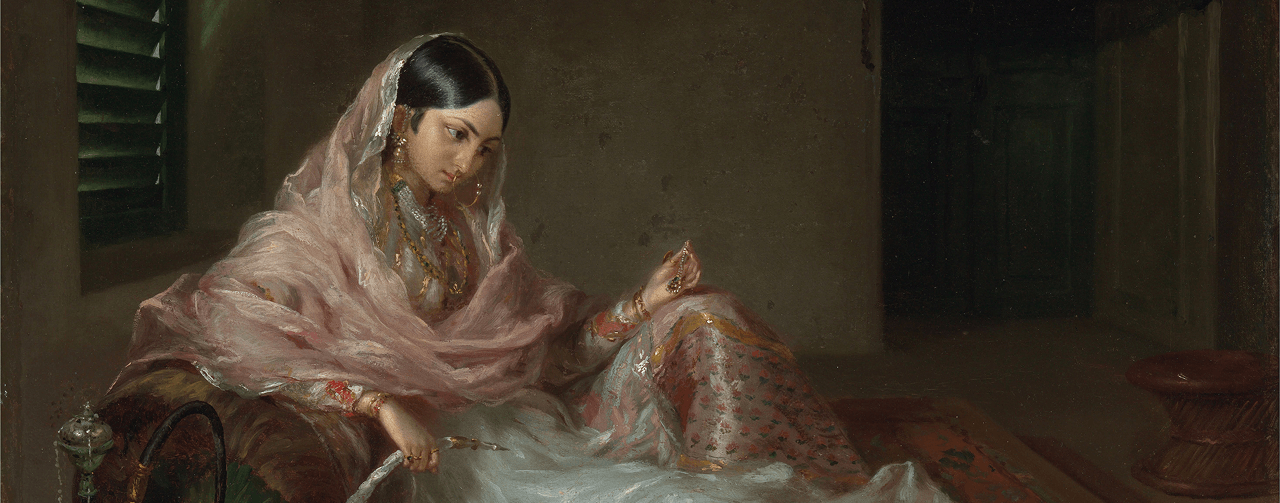
Dhakai Muslin
Born of a country of Mughal courts and master artisans, Dhakai Muslin, a type of handwoven cotton, became the subject of tales and legends. An icon of ancient East Bengal, the earliest mentions of Muslin can be traced back to the 3rd century BC. For hundreds of years, Muslin was spun from a specific plant known as the phuti karpas, that grew along the banks of the Meghna River. This plant has been lost to time.
Famed for its lightness and known as Malmal Khas (the cloth of kings), true Muslin felt like a whisper on one’s skin. Impossibly lightweight, the renown of this exceptional textile extended far beyond Bengal. Under Mughal rule, Bengal became the global epicentre of Muslin production with merchants and traders carrying this prized fabric to markets across Asia, the Middle East, and Europe.Specifically linked to Dhaka (the capital of Bangladesh), Muslin became known as Dhakai Muslin - once the most expensive fabric in the world.
Then came the East India Company. In the second half of the 18th century, Bengal came under British occupation, and trade policies favouring British products were implemented. This era also witnessed the Great Bengal Famine of 1770. Already burdened by heavy imperial tariffs, the area was further devastated by the famine and a series of natural disasters. By the 19th century, Britain’s Industrial Revolution meant Bengal’s handloom industry could no longer compete with British-made textiles. The industry began to collapse. Over time, the phuti karpas disappeared, and so did the craft. True Dhakai Muslin was lost to history.
The poignant tale of Dhakai Muslin carries immense gravitas, serving as a powerful reminder of Bengal’s heritage. Today, what we call Muslin is a textile that is an echo of the past. Bangladesh has been actively working to revive this legendary fabric, and we, at Grishokal want to be a part of this movement, to preserve the craft, and support the artisans who keep this story alive through their hands.


Zardozi
Zardozi, an opulent form of hand embroidery, originated in ancient Persia. This art form flourished in the Indian subcontinent during the Mughal era, particularly under Emperor Akbar. The term itself comes from the Persian words zar (gold) and dozi (embroidery). Traditionally done with real gold and silver threads, Zardosi was used to adorn royal garments, ceremonial textiles, and decorative items. The craft became a lasting symbol of grandeur, and the knowledge of its intricate techniques was passed down through generations of master artisans.
The embroidery process is intricate and labor-intensive. A design is first traced onto fabric after which the fabric is then stretched on a wooden frame (adda). Using specialized needles like the aari, artisans stitch metallic threads into detailed motifs, often adding sequins, pearls, and stones for additional dimension. Today, while real gold and silver are rare, gold and silver shaded synthetic threads are widely used.
Zardosi continues to thrive in south east Asia, a revered and celebrated craft.


Grishokal
Blending heritage with modern sensibilities, Grishokal reimagines the sheer elegance of Muslin and the opulence of Zardosi through handcrafted luxury resortwear for a global audience. Rooted in tradition yet designed for the modern traveler, each piece blends the lightness of handwoven muslin with the intricate detailing of Zardosi embroidery—celebrating heritage through a contemporary lens.
By pairing ancestral techniques with modern styling, we offer more than clothing; we offer a connection to culture, craftsmanship, and conscious fashion. Each piece tells a story of revival, of history and of art.